



Support to International Students in US Private High Schools
Support for international students in US private high schools is essential to helping students adapt, succeed, and feel supported in a new academic environment. Every year, thousands of international students choose to study at US private high schools for a world-class education and a welcoming learning experience.
Written by Siyu, an international education specialist at FindingSchool, this article draws on her research into how U.S. private and boarding schools support international students academically, socially, and beyond, and highlights why these support systems are essential to a successful high school study-abroad experience.
1. Academic Support
Academic support is one of the most important pillars of student success. Many schools recognize that students may come from different educational systems and need extra guidance to thrive in a new environment.
In our work with international families at FindingSchool, we often hear that academic adjustment is their biggest concern during the first semester. Parents frequently ask how quickly their children can adapt to English-language classrooms, keep up with coursework, and feel confident participating in class discussions. This is why U.S. private high schools place strong emphasis on structured academic support systems designed specifically for international students.
English as a Second Language (ESL) programs
The language learning courses offered at the US private high school can help students strengthen English reading, writing, listening, and speaking skills in an authentic environment and structured system. For example, the Webb Schools (California) has a strong English Language Learner (ELL) Support Program, which tailored courses in academic reading, writing, and speaking. It's small-group instruction focused on vocabulary and grammar development.

Tutoring and study help
Many schools offer peer tutoring, learning centers, or extra help sessions with the teachers at the classes directly. For example, Phillips Exeter Academy (NH, FindingSchool ranked #2 among all US private boarding high schools) runs a peer tutoring center where students can sign up for sessions in math, writing, or languages, as extra help after school.
As Mr. James Ramsdell, who is a senior educational consultant, said, "The moment students feel understood - not just taught - their confidence rises, and that's when real learning begins."

Academic advisors
The academic advisors are assigned to guide students in course selection, study skills, college preparation, personal development etc. Their job is much more personalized, compared to pdublic schools and regular class teachers. The students will receive study progress monitoring with performance check-ins and personal feedback/concern communications, as well as the well-being and future planning support etc. Here's an example from Tabor Academy that they have a strong advising program. An academic advisor is the student's primary guide throughout high school and they help students succeed not only academically, but also emotionally and socially, ensuring each student grows in a balanced, meaningful way.
2. Personal and Cultural Support
Many schools also offer cultural adjustment workshops and one-on-one counseling to help international students manage homesickness and thrive in a new environment.
International student office or coordinator
At schools with well-established international programs, the international student office typically works closely with counselors, dorm parents, and academic advisors rather than operating in isolation. This cross-team coordination allows schools to monitor students' adjustment on multiple levels - academic performance, emotional well-being, and daily residential life. As a result, schools can identify early signs of challenges such as language fatigue, academic stress, or cultural isolation and provide timely support, instead of waiting until these issues escalate into more serious concerns.
Arrival and orientation programs
The orientation program is often conducted 1-2 weeks ahead of the start of the semester and intends to give new students time to get along and a smooth transition. The program introduces new students to school routines, culture, and local life etc. Students will get to know the school, start getting along and making friends.
Cultural adjustment support
Counselors help students adapt to life in the U.S. and manage homesickness. In US private high schools, students will gather together for international fairs, cultural nights, holiday celebrations, and food-sharing events. For example, many schools celebrate the Lunar New Year and provide a chance for students to share their own culture and learn from others. It's very important to provide students counseling services for stress, homesickness, cultural shock, or adjustment challenges to help them grow healthily both physically and mentally.

3. Residential and Daily Life Support
Boarding life is very important to international students studying and living at a boarding school, while the host families play an important role too. This is not only about the residential life, but also the daily life support for a student.
Boarding life, dorm parents or host families
Dorm parents or host families play an essential role in providing a safe, caring environment and helping students adjust to life outside the classroom. To help families explore top options, FindingSchool's ranking of U.S. boarding and day schools makes it easier to compare schools based on academic quality, student life, and support services.
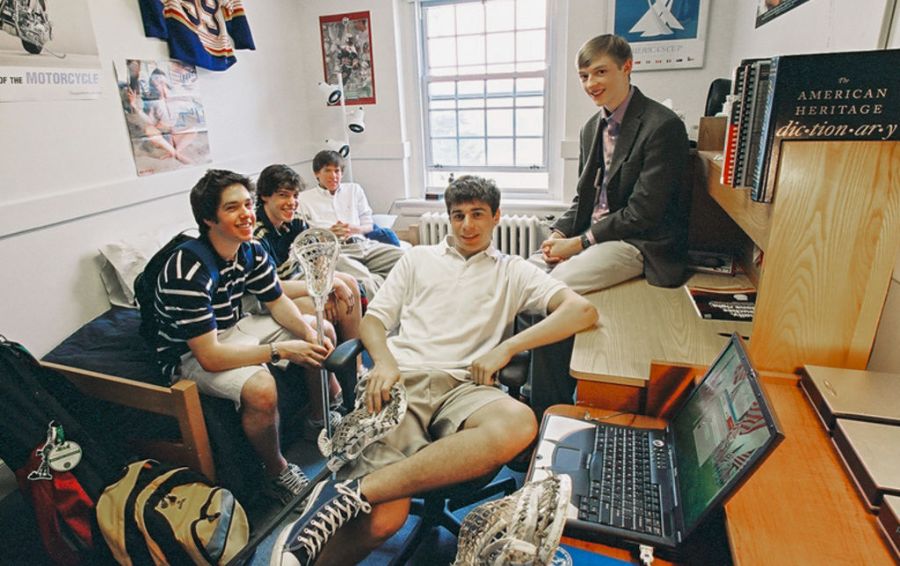
Boarding school residential life. Source: The Hotchkiss School
Weekend and activity programs
Schools offer social and cultural outings to help students build friendships and explore the area. For example, St. Johnsbury Academy (Vermont) has weekly activities such as bowling, skiing, ice skating, or community service projects. The school lists 40+ clubs/activities and weekly trips ranging from outdoors to arts and sports - typical of U.S. boarding life designed to promote social integration. It also offers seasonal events like pumpkin carving in fall and snow tubing in winter encouraging international and domestic students to socialize and explore together. These activities help students build friendships and integrate into the community more quickly.
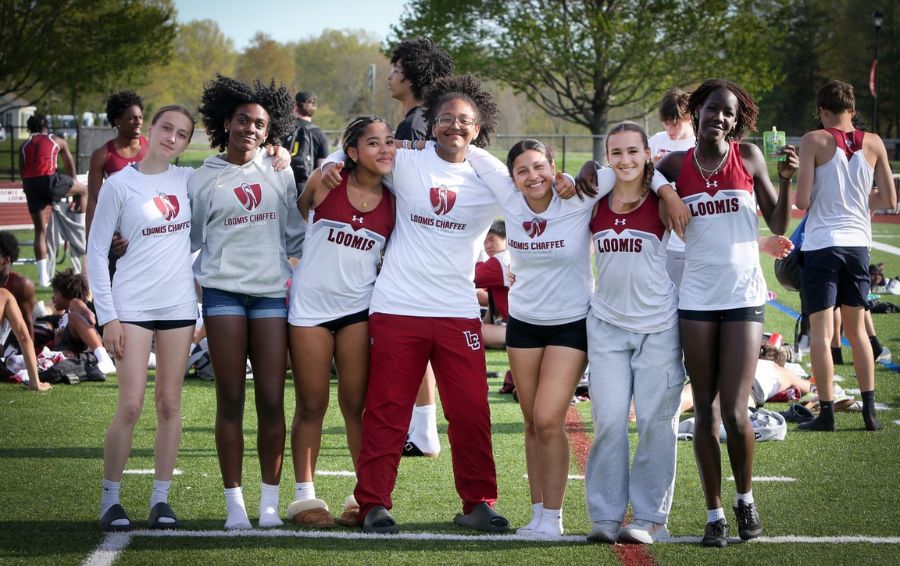
Source: The Loomis Chaffee School
4. College Counseling
Specialized counselors guide students through the U.S. college application process, standardized testing, essay writing, and interviews. College counselors are often considered important resources for international students in knowing, applying to colleges.
5. Practical and Language Support
To ensure every student succeeds, private high schools provide comprehensive resources that build both practical skills and English proficiency.
Language labs and writing centers for ongoing English improvement
Practical language resources play a key role in helping students strengthen their communication skills and build confidence in daily academic life. Many schools provide dedicated language labs and writing centers where students can receive personalized feedback and ongoing support. For example, The Masters School (New York)'s writing center is open to all students, with writing specialists who assist with essay structure, clarity, and vocabulary. ESL teachers often work closely with the center to support multilingual learners.
Technology support for learning management systems, communication tools, etc.
In addition to language resources, schools also offer technology support to help students navigate learning management systems, communication platforms, and digital classroom tools - ensuring a smooth academic experience from day one.
Having the right support can make all the difference when students start a new academic journey abroad. From academic guidance to cultural integration and language support, these programs help students not only adjust but truly thrive. Choosing a school with strong support systems means laying a solid foundation for long-term success.
To continue exploring helpful resources, check out more articles from FindingSchool about studying abroad at the high school level.
Latest posts